Elevate Your Projects with Watercolor Paper Texture Backgrounds
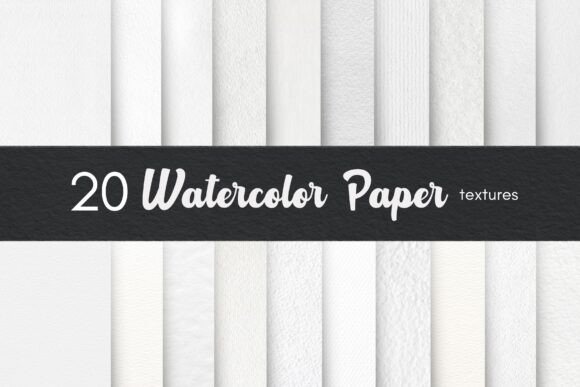
When you’re working on a design that needs to feel organic, authentic, and undeniably tactile, digital files can often feel a bit cold. You want that "real paper" vibe without the hassle of scanning or the risk of low-resolution pixels. This is exactly where high-quality Watercolor Paper Texture Backgrounds become an essential part of your toolkit. We aren't just talking about a flat white background; we are talking about a collection of 20 distinct, high-resolution textures that mimic the natural grain and subtle imperfections of actual watercolor paper. These assets bridge the gap between digital precision and handcrafted artistry, providing a canvas that feels alive.
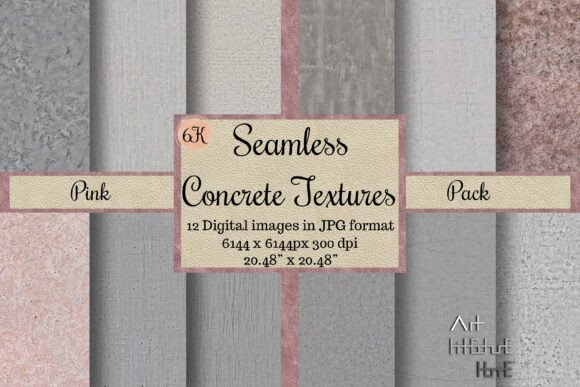
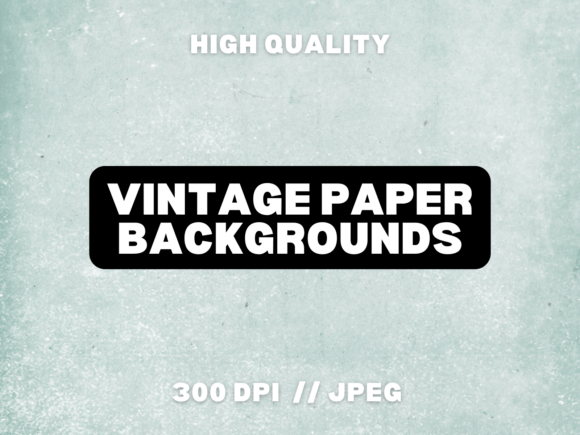
The visual personality of these backgrounds is defined by their subtlety. They feature a soft, white palette with visible fibers and gentle tooth that you’d expect from a cold-pressed paper. This texture adds a layer of depth and sophistication to any layout. It doesn’t scream for attention, but rather sits quietly in the background, elevating the foreground elements. Whether you are using a serif font for an elegant wedding invitation or a bold display font for a social media post, the watercolor texture provides a grounding element that makes typography pop. It transforms a standard digital file into something that looks premium and thoughtful.
Practical Applications for Designers and Creatives
Understanding where these textures fit best is key to maximizing their value. For graphic designers and brand strategists, these backgrounds are a goldmine for creating a distinct brand identity. Imagine a small business owner selling artisanal soaps or handmade jewelry. Using a watercolor paper texture as the background for their logo design mockups, packaging design, or web design hero images instantly communicates a message of quality and craftsmanship. It signals to the customer that the brand values detail and natural aesthetics. It is a subtle psychological cue that builds trust and recognition before a single word of copy is read.
Beyond branding, the utility of this collection extends heavily into editorial design and printable stationery. If you are a publisher working on a magazine layout or a blogger creating a media kit, these textures offer a break from sterile, digital-white backgrounds. They are perfect for:
- Wedding Invitations: Providing a romantic, tactile feel that guests can see and almost touch.
- Digital Scrapbooking: Offering a realistic canvas for layering photos and memorabilia.
- Bullet Journals: Creating printable inserts that mimic the look of expensive sketchbooks.
- Social Media Graphics: Stopping the scroll with images that feel artistic and curated rather than mass-produced.
For digital artists using tools like Procreate or Photoshop, these files serve as excellent texture overlays. Instead of a flat white canvas, starting your illustration on a watercolor paper texture can influence your entire workflow. It encourages a softer color palette and helps blend digital strokes with the "grain" of the paper, resulting in artwork that looks hand-painted rather than computer-generated. This is particularly useful for illustrators selling prints or creating assets for children's books.
Strategic Integration and Design Considerations
When incorporating Watercolor Paper Texture Backgrounds into your workflow, the goal is harmony. You want the texture to enhance your typography, not fight it. This is where font pairing becomes critical. Because the watercolor texture is organic and irregular, it pairs beautifully with clean, geometric sans serif fonts. The contrast between the structured type and the natural background creates a modern, balanced look. Conversely, pairing these textures with a flowing script font or handwritten font creates a cohesive, whimsical aesthetic perfect for greeting cards or nursery art.
However, readability is the priority. If you are overlaying large blocks of text, ensure there is enough contrast. While the texture is subtle, dense paragraphs in light grey might get lost. A practical tip is to place a semi-transparent white shape behind your text block to "knock out" the texture slightly, ensuring your message is legible while still retaining the artistic feel of the background. This technique is standard in web design and social media graphics to maintain accessibility.
From a technical standpoint, the value lies in the specifications: 5000 x 4200 pixels at 300 DPI. This is non-negotiable for serious commercial font and asset users. High resolution means you can use these textures for large-format printing, such as posters or canvas wraps, without worrying about pixelation. It also means they hold up perfectly for digital downloads and screen-based applications. When evaluating design assets, always check the resolution; low-res textures immediately cheapen a project, whereas these high-fidelity files ensure your work looks professional and polished.
Choosing the Right Texture for Your Vision
With 20 variations included in this collection, you have the freedom to choose the specific "tooth" and "grain" that fits your project's mood. Some textures might be more pronounced, suitable for rustic themes, while others are incredibly fine, acting almost like a subtle linen finish. When selecting your background, consider the overall color temperature of your project. While these are white backgrounds, the shadows and grain can pick up color tints differently depending on how you overlay your graphics.
For small business owners looking to create a cohesive look across multiple platforms, consistency is key. By selecting one or two favorite textures from this set and using them as the standard background for your Instagram stories, website banners, and PDF guides, you create a seamless visual experience. It ties your digital presence together, making your brand look established and intentional. This is a simple, cost-effective way to achieve a high-end look without hiring a full design agency.
Ultimately, these Watercolor Paper Texture Backgrounds are more than just files; they are a foundation for creativity. They offer a versatile solution for anyone looking to add a touch of realism and elegance to their digital and print projects. Whether you are designing a wedding suite, building a brand identity, or simply journaling, these textures provide the perfect starting point for work that feels genuinely crafted.